Securing Your Home: Radon Gas Prevention & Foundation Sealing
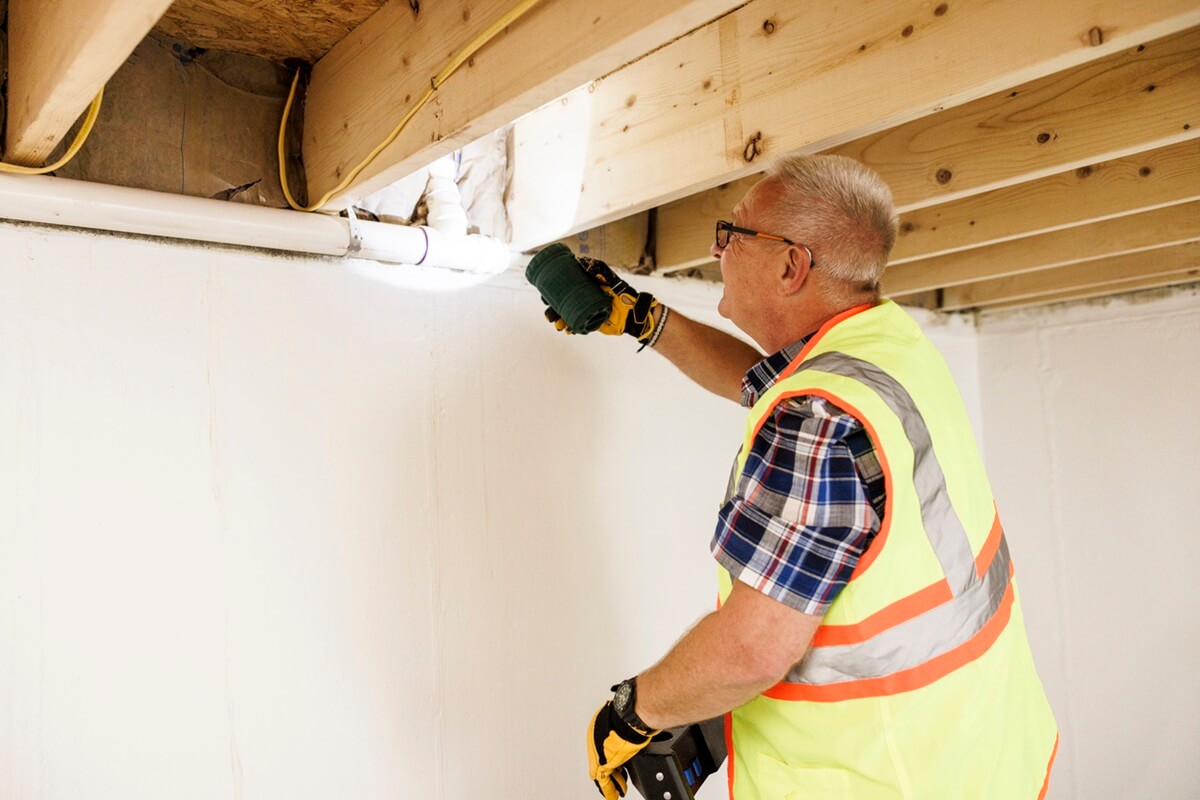
When homeowners think about foundation maintenance, the immediate concern is usually water. Nobody wants a flooded basement, ruined drywall, or the distinct musty smell of mould that follows a heavy spring thaw. However, there is another, far more insidious intruder that can slip through those exact same foundation vulnerabilities. At Conterra Foundation, we know that a strong, professionally sealed foundation does much more than just keep your basement dry, it serves as your home’s primary physical shield against invisible, hazardous soil gases.
Protecting your home is a multifaceted job. While upgrading insulation and replacing drafty windows improves energy efficiency, securing the concrete envelope of your basement is a matter of profound health and safety. In this guide, we will explore the science of soil gas dynamics, the severe health implications of poor basement air quality, and how advanced repair techniques can help safeguard your family.
What is Radon Gas and Why is it in My Basement?
Radon is a naturally occurring, highly radioactive gas that is produced by the natural breakdown of uranium found in soil, rock, and water. Because it is completely colourless, odourless, and tasteless, it is impossible to detect with human senses. You could have dangerously high levels of radon in your home right now and have absolutely no idea.
So, why does it end up in your basement? The answer lies in your home’s proximity to the earth. Your foundation sits directly in the soil, acting as a boundary between the conditioned air of your living space and the natural geological processes happening underground. As uranium breaks down, the resulting radon gas moves upward through the soil seeking the path of least resistance to escape into the atmosphere. Unfortunately, the path of least resistance is often straight through the concrete footprint of your home.
The health risks associated with this invisible gas are staggering. When radon is inhaled, radioactive particles can become trapped in your lungs. Over time, as these particles continue to break down, they release small bursts of energy that damage lung tissue and lead to cellular mutations. According to Health Canada, prolonged exposure to high levels of radon is the second leading cause of lung cancer overall, and the number one cause among non-smokers. It is estimated that more than 3,000 Canadians die each year from radon-induced lung cancer. Recognizing this threat is the first step; fortifying your basement against it is the essential second.
The Connection Between Foundation Cracks and Radon Entry
To understand how radon infiltrates a living space, we must look at building science, specifically, the mechanism of soil gas entry. Homes are not static structures; they breathe. Due to a phenomenon known as the “stack effect,” houses essentially act like giant vacuums.
During the colder months, which dominate the calendar in Southern Ontario, the warm air inside your home naturally rises and escapes through upper-level windows, attic vents, and roof imperfections. As this warm air leaves the upper levels, it creates a zone of negative pressure in the lower levels, particularly the basement. To equalize this pressure, the house actively sucks replacement air upward from the soil beneath and around the foundation.
This is where your foundation’s integrity becomes critical. Concrete is naturally porous, but the primary entry points for soil gases are structural imperfections. If you have open fissures, gaps around utility pipes, or unsealed sump pump pits, the negative pressure will pull radon gas directly through these openings. Sealing foundation cracks is, therefore, not just a cosmetic fix or a water-stopping measure; it is a vital step in cutting off the physical highways that allow radioactive gas to bypass your home’s envelope. Without a continuous, airtight barrier, your basement will continue to inhale toxic soil gases 24 hours a day.
How Professional Crack Injection Acts as a Radon Barrier
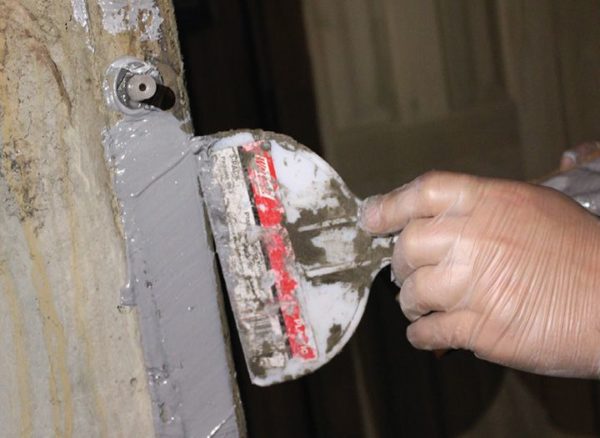
Crack Injection and Sealing on a Hamilton basement foundation wall.
When homeowners discover a foundation crack, the temptation is often to purchase a bucket of hydraulic cement or a tube of standard caulking from the local hardware store. However, surface patching is entirely inadequate for stopping soil gases. These DIY materials only cover the innermost fraction of an inch of the crack. They do not penetrate the wall, they dry rigidly, and they inevitably fail when the foundation experiences natural expansion and contraction due to seasonal freeze-thaw cycles.
To create a true, lasting barrier against both moisture and gas, Conterra Foundation utilizes advanced polyurethane injection technology. This professional-grade process is fundamentally different from surface patching.
Here is how it works: Technicians drill small injection ports along the face of the crack and inject a specialized, liquid polyurethane resin under high pressure. Once the resin makes contact with the moisture inside the concrete, a chemical reaction occurs. The polyurethane violently expands—up to 20 times its original liquid volume, filling the entire depth of the foundation wall from the inside out to the surrounding soil.
Crucially, once cured, the polyurethane remains elastomeric (flexible). If the house settles or the concrete shifts slightly during a harsh winter, the polyurethane stretches and compresses with the movement, maintaining an unbroken, airtight, and watertight seal. By thoroughly filling the microscopic voids and the entire width of the fissure, professional injection effectively permanently halts soil gas entry at that specific vulnerability.
Waterproofing Systems and Air Quality: The Added Benefit
It is rare that a basement suffers from just one type of intrusion. A crack wide enough to let in radon is certainly wide enough to let in groundwater. This is where the holistic benefits of professional foundation repair become apparent. By addressing the structural envelope of your home, you are radically improving your overall basement air quality.
When moisture enters through a cracked or porous foundation, it creates a damp, humid environment that is the perfect breeding ground for toxic black mould, mildew, and dust mites. Airborne mould spores circulate through your HVAC system, triggering asthma, allergies, and severe respiratory distress. When you combine the acute respiratory irritation of mould spores with the long-term cellular damage of radon gas, a compromised basement becomes a significant health hazard.
The foundation waterproofing health benefits cannot be overstated. A comprehensive waterproofing approach, which may include exterior excavation and membrane application, interior weeping tile systems, vapour barriers, and thorough crack sealing, transforms a damp, hazardous basement into a dry, clean, and safe living space. You are effectively locking out the moisture that feeds biological growth while simultaneously sealing the pathways that allow radioactive gases to enter.
Testing and Mitigation: Steps for Hamilton Homeowners
If you live in Southern Ontario, you might have heard of the Hamilton radon map. Geological surveys have shown that areas along the Niagara Escarpment and regions with specific glacial till soils have higher natural concentrations of uranium, leading to elevated regional radon readings. However, it is vital to understand that a map can only tell you about regional averages, not your specific exposure. Radon levels can fluctuate drastically from one street to the next, and even between two houses built right next to each other. The only way to know if your home is safe is to test it.
For homeowners looking to protect their families, here is the recommended sequence of action:
- Test Your Home: Health Canada recommends using a long-term radon test kit (minimum of 91 days) during the winter months when windows are closed, and the stack effect is at its strongest. This will provide an accurate average of your exposure in Becquerels per cubic meter (Bq/m³).
- Seal the Envelope: Regardless of your test results, the physical integrity of your foundation must be maintained. Have Conterra Foundation inspect your basement for vulnerabilities. Sealing foundation cracks via polyurethane injection, ensuring your sump pit has an airtight lid, and sealing gaps around plumbing penetrations are mandatory first steps in any mitigation strategy.
- Consider Active Mitigation: If your long-term test reveals radon levels above the Canadian action guideline of 200 Bq/m³, you will need an active radon gas mitigation system. The most common solution is Active Soil Depressurization (ASD), which involves installing a pipe through your basement slab with a fan that vents soil gases directly outdoors before they can enter the home. Importantly, an active ASD system requires a completely sealed foundation to operate efficiently. If your walls are full of cracks, the mitigation fan will just pull conditioned air out of your basement instead of pulling radon out of the soil.
Contact Conterra Foundation
At Conterra Foundation, our priority is the structural integrity and safety of your home. By ensuring your foundation is expertly sealed and waterproofed, you are taking a definitive, proactive step in protecting your family from unseen dangers from the ground up.
Contact Conterra Foundation to ensure your home remains safe.